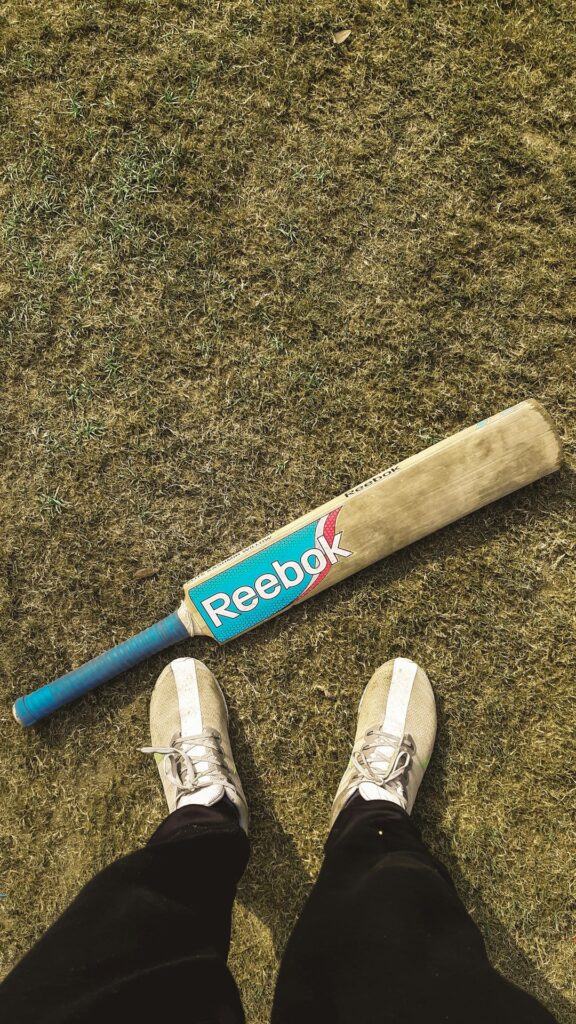
When each front-foot landing hits like a mini-collision, shoe details change everything.
After three overs of a long spell, a fast bowler’s front-foot landing can feel like a repeated small collision: sharp sting across the ankle, tired calves, and soles that slide on damp turf. Those impacts add up — microtrauma to joints and a growing limp that kills pace and rhythm.
Balancing cushioning and responsiveness is the core tradeoff. Too much foam soaks up shock but deadens push-off; too little saves weight but transmits impact. Small design details change how a shoe performs: midsole foam density controls shock absorption, a deep heel cup locks the rear foot for stable landings, and stud pattern plus outsole stiffness determine grip and twist resistance. The picks that follow focus on those practical differences to make the choice straightforward.
- Top pick — DSC Beamer: lightweight and durable, best all‑round balance.
- Runner-up — DSC Beamer: economical with reasonable cushioning.
- Budget — DSC Beamer: ultra-affordable, surprisingly sturdy for the price.


Biomechanics that shape fast‑bowler shoes
Fast bowlers produce a distinctive load profile: a large front‑foot impact at landing, rapid lateral torque as the hips open, and thousands of repeated cycles in a session. Those three elements explain why ordinary running shoes often feel unstable or wear out quickly on the crease.
How shoe elements alter the forces
- Heel counter: a firm heel cup locks the rearfoot and reduces internal ankle rotation. Benefit: better stability at landing. Tradeoff: a very stiff counter can feel harsh and reduce small joint compliance.
- Midsole attenuation: foam or EVA absorbs peak impact at the front foot. Benefit: lowers shock transmitted up the tibia. Tradeoff: softer midsoles compress faster and can reduce platform stability during delivery.
- Torsional rigidity: built‑in shanks or layered midsoles resist twisting. Benefit: controls lateral torque and protects the midfoot. Tradeoff: too rigid a sole can concentrate stress at the ankle or knee.
- Outsole design: stud pattern and rubber pods manage grip and shear. Benefit: predictable traction; reduces slip-related torque. Tradeoff: aggressive outsole increases rotational loads.
Focus on the few features that match personal priorities (stability vs. cushioning). Small, targeted compromises usually beat chasing every “best” spec.
Quick buying checklist for fast‑bowler shoes
-
MidsolePrimary shock absorber that balances cushioning and ground feel; choose responsive foam that cushions front‑foot impacts without feeling mushy.Look forResponsive EVA/PU foam with visible stack and firm rebound.AvoidVery soft, easily compressed foam that loses support under load.
-
Heel cup (heel counter)Rigid heel cup stabilizes the rearfoot on landing and reduces ankle roll and slippage during the follow‑through.Look forA firm external heel counter that resists compression when pressed.AvoidSoft or absent heel structure that allows the heel to collapse.
-
Outsole and studsTraction and durability depend on stud pattern and plate material; choose a setup suited to pitch types and easy to replace if worn.Look forGrippy stud layout or TPU plate with replaceable studs.AvoidSparse or flat outsole and non‑replaceable studs that wear quickly.
-
Torsional rigidityA firm midfoot resists twisting during the delivery stride and protects the foot from excessive torque.Look forNoticeable torsion bar or midfoot firmness when attempting to twist the shoe.AvoidFloppy soles that twist easily between the hands.
-
WeightLower weight reduces fatigue across overs; however, avoid sacrificing stability or cushioning for minimal grams.Look forLight but solid feel underfoot—no compromise in midsole or heel support.AvoidUltra‑light construction that feels fragile or thinly cushioned.
Five quick field checks (wear bowling socks)
-
1. Lace and stand
Put on the usual bowling socks, lace normally, and stand with weight evenly distributed. Ensure laces are snug but not over‑tight to reveal true fit.
-
2. Toe room (static)
Press the longest toe against the front and try to insert a thumb behind it; a thumb‑width of space is a pass. Fail if toes squashed or more than one thumb fits—both indicate wrong length.
-
3. Heel lock (walk and lunge)
Walk briskly, then perform a firm forward lunge; observe heel lift. Pass if heel stays stable (<~1 cm lift). Fail if the heel repeatedly slips or needs re‑tying to stop movement.
-
4. Lateral stability (side push)
From a semi‑crouch, push explosively sideways and catch balance. Pass if foot stays planted and the upper holds the foot; fail if noticeable lateral slide or upper collapse occurs.
-
5. Midsole compression and rebound
Do three single‑leg hops and also press the midsole with a thumb. Pass if the midsole compresses under load then rebounds quickly—landing feels controlled; fail if it feels dead, harsh, or bottoms out.
If a shoe fails any check, try a half‑size or a different width before discarding. Test both feet and repeat after 10–15 minutes of movement to account for heat and slight swelling. For detailed measurement targets and cushioning tradeoffs, see the fit and cushioning for bowlers.
How these shoes were evaluated
Short on-field sessions and user signals guided the picks; no exhaustive lab tests were run. Emphasis was on run-up/landing feel, visible wear cues, and price-to-performance.
-
Hands‑on run-up and landing
Quick net sessions checked heel impact, forefoot rebound and lateral stability during a few full run‑ups and delivery landings.
-
User feedback and field wear
Selected owner reviews and photos revealed common break points (upper tears, sole compression) and real-world grip behavior.
-
Durability signs and value
Basic durability signals (stitching, midsole feel, outsole thickness) were weighed against price to judge likely life for pace bowlers.
This is a practical, hobbyist evaluation — see linked testing guides for lab protocols and deeper comparisons.
Balanced cushioning for regular pacers
01
Lightweight, durable, cost-effective for pace
A lightweight, budget-friendly cricket shoe built to absorb front-foot shocks without adding run-up bulk. Suited to club and regular recreational pace bowlers who need a firm, responsive midsole and a locked-in heel for repeated impacts during spells.
- Midsole gives a controlled initial compression with quick rebound — feels springy without mushiness
- Stiff, reinforced heel counter locks the foot and limits ankle roll on heavy landings
- PVC outsole pattern grips turf reliably in dry and damp conditions
- Very light for its impact protection level; easy to carry through long run-ups
- Durable stitched construction for the price
- Upper and outsole are PVC — less breathable than premium fabrics
- Not ideal on very muddy or waterlogged pitches; studs can clog
- Forefoot runs slightly narrow for wide-foot users
Key specifications
| Midsole | Lightweight foam |
| Upper | PVC upper |
| Outsole | PVC outsole with textured studs |
| Heel counter | Reinforced heel cup |
| Closure | Lace closure |
| Positioning | ~Budget price |
DSC Beamer earns its top‑pick tag by delivering an uncommon balance of cushioning and lightness. The midsole compresses under impact but recovers quickly, providing protective give on front‑foot landings without deadening the run‑up. A firm heel counter keeps the ankle aligned through repeated deliveries, and the PVC outsole grips turf well in normal conditions. Construction is straightforward and robust for the price; expect solid season‑level durability with basic care.

Lightweight, economical with durable build
Lightweight, value-first runner-up — a practical cricket shoe that preserves the top pick’s traction and heel stability while cutting cost. Built with a lightweight outsole and a firm heel counter, it feels steady on the front-foot landing and won’t tire a bowler across spells.
Best for club cricketers and frequent net sessions who need dependable performance without a premium price tag.
- Outsole delivers reliable turf traction similar to the top pick
- Firm heel counter for secure heel lock on front‑foot impact
- Very lightweight — reduces fatigue over repeated deliveries
- Extremely budget‑friendly price
- PVC construction shows good abrasion resistance
- PVC upper is less breathable and a bit rigid compared with premium uppers
- Midsole is slightly less plush — firmer impact feel and less long‑run cushioning
- Fit and finish not as refined as higher‑end models
A smart budget compromise. The Beamer matches the top pick where it matters most for pacers — outsole grip and a firm heel lock — and keeps weight down for repeated bowling spells. Tradeoffs are a firmer midsole and a PVC upper that sacrifices breathability and premium feel, but those concessions make sense for players wanting most of the performance at a fraction of the cost.
| Best for | Cushioning | Durability | Price | ||
|---|---|---|---|---|---|
| Club bowlers | Balanced | High | ₹ 819 | Buy now | |
| Regular nets | Moderate | Good | ₹ 818 | Buy now | |
|
DSC Beamer Cricket Shoes: Ultra Affordable
Budget pick
|
Casual/nets | Basic | Fair | ₹ 514 | Buy now |
Decision guide
Match the three Beamer options to typical fast-bowler profiles by pitch, pace and session frequency.
- Frequent club bowlers → Beamer Top. Triggers: hard or mixed pitches, fast pace, 3+ sessions/week. Prioritizes balanced cushioning and firm heel lock for repeated front-foot impacts.
- Budget-aware regulars → Beamer Runner. Triggers: mixed surfaces, medium–fast pace, 1–3 sessions/week. Keeps good outsole grip and heel support while trimming plush midsole features.
- Casual players / nets → Beamer Budget. Triggers: soft synthetic pitches, occasional practice, developing pace. Basic cushioning and durable PVC upper at lowest cost; replace sooner under heavy use.
Maintenance & break-in notes:
- Beamer Top — break in with two light sessions; rotate pairs every other day to de-odorize.
- Beamer Runner — short progressive wear-in; wipe dry after wet nets.
- Beamer Budget — expect faster outsole wear; avoid daily club use.
Pick, test, break in
- Pick by constraint: top for impact, runner-up for weight, budget for price.
- Run the five-step fit-and-impact test in bowling socks before buying.
- Break-in: three light sessions, then increase load gradually while rechecking fit and rebound.
Final picks: impact protection — DSC Beamer: Lightweight, Durable Cricket Shoes (springy midsole, firm heel cup). Run‑up weight — DSC Beamer: Lightweight, Economical Choice. Budget — DSC Beamer Cricket Shoes: Ultra Affordable.
Before buying, run the five‑step fit-and-impact test in bowling socks. Break in over three light sessions, then raise load and recheck heel lock.